

What we build
Build the capability to make excellence permanent.
A programme ends. A capability can stay. The Foundation's aim is to invest in the people and the local systems that keep excellent early childhood education going after a cohort graduates: leaders, facilitators, teachers, mentoring, quality assurance and honest evidence.
The idea
Charity can fund one cohort after another and start again each year. We would rather build what lets a community keep going on its own.
That means paying for capability, not only for activity: the people who train, the people who mentor, and the systems that tell everyone whether the work is good.

How it works
From one commitment to lasting change.
Every part of the work is designed to leave something behind that does not depend on the next grant.
01 · Funding
A commitment with a purpose
Gifts and grants pay for training, mentoring, facilitators and measurement: the parts that make quality possible.
02 · People
Prepared adults
Women who already run early childhood centres complete seven modules over seven months without leaving their jobs. Graduates can then train to become facilitators.
03 · Quality
Practice that holds
The programme is designed so that facilitators keep visiting each centre for at least five months after the last module, using a practice checklist at every visit.
04 · Outcomes
Children on track
Independent assessment shows what is changing for children, and the results shape the next cycle.
This is how the model is designed to work. What has been measured so far, and its limits, is set out on the evidence page.
Six things we build
The capability behind every classroom.
Not buildings versus people. A prepared classroom needs a prepared adult, and a prepared adult needs someone who keeps her practice growing.
 Documented
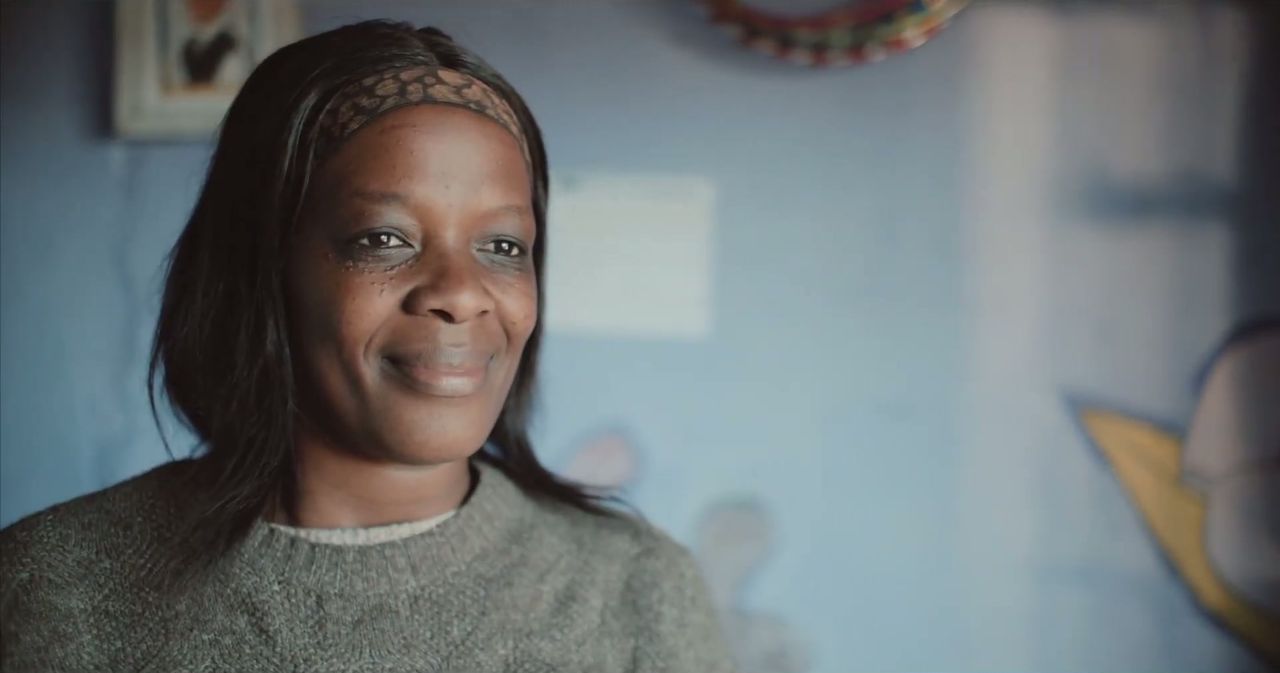
Women who run centres
CoRE: seven Montessori-rooted modules, one week a month, delivered in the languages of the community.
 Documented
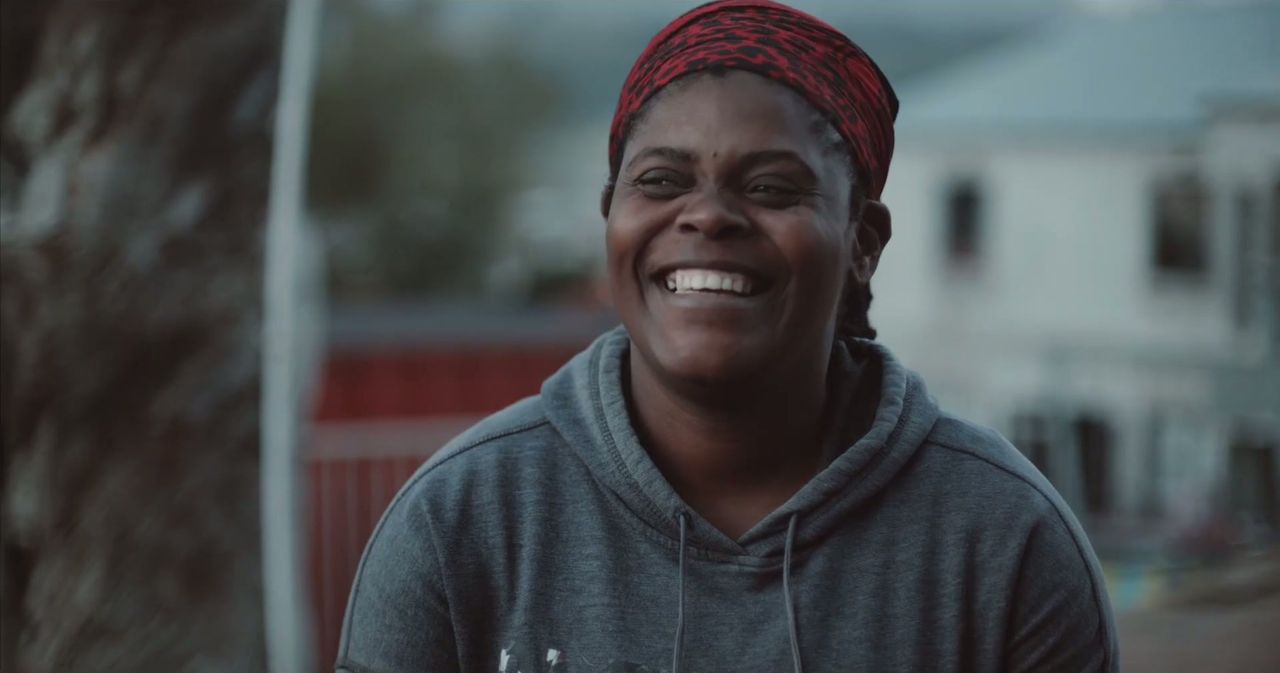
Trainers from the community
A Facilitator-in-Training year combines the seven modules with a further 70 hours, on a defined pathway to becoming a CoRE trainer.
 Documented
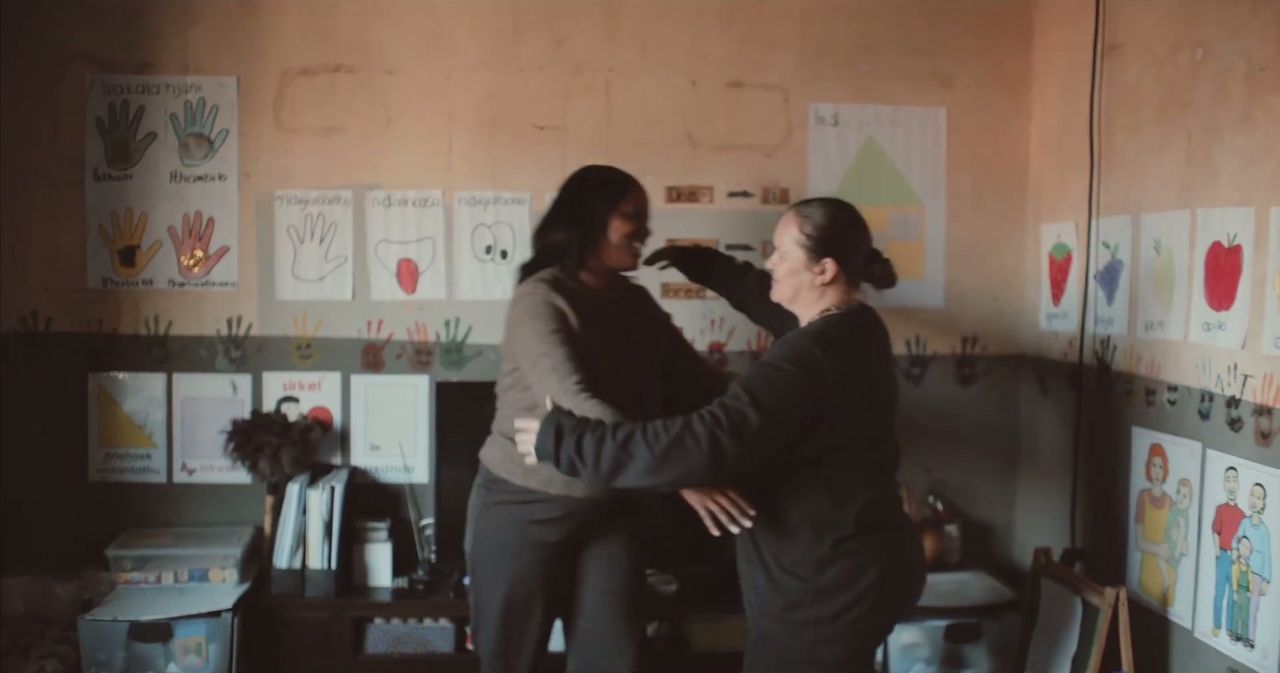
Support until practice holds
Facilitators continue visiting each centre for at least five months after the final module.
 Documented
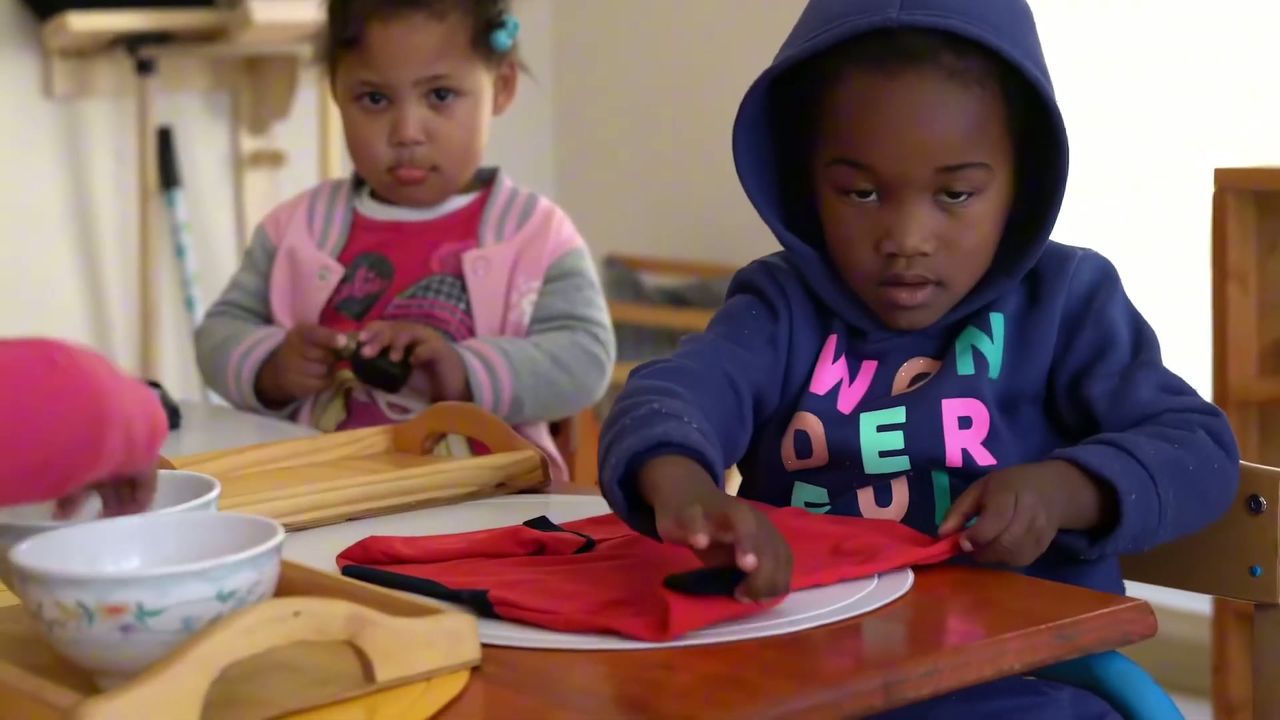
Prepared environments
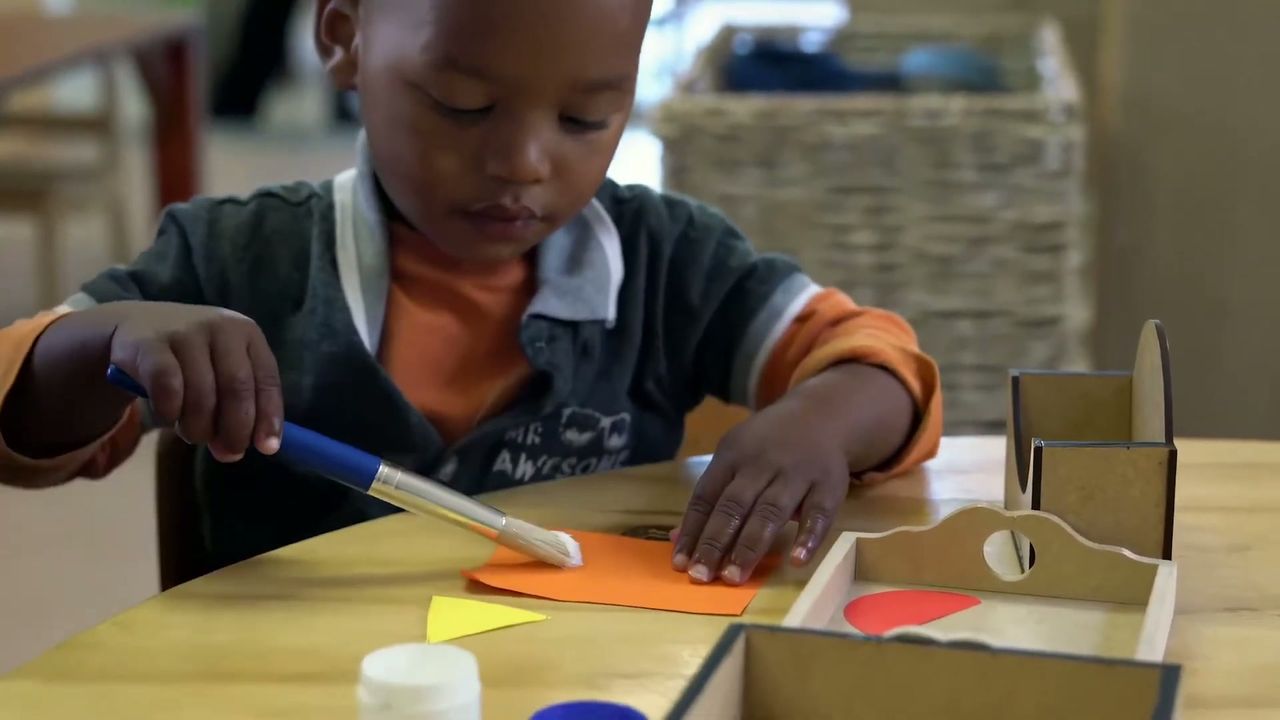
Ordered shelves and materials within a child's reach, many made by hand from what is locally available.
 Independently assessed
Measurement that guides the work
Children's development assessed with the Early Learning Outcomes Measure by an accredited, independent assessor.
 Model, not a result
Regional nodes, led locally
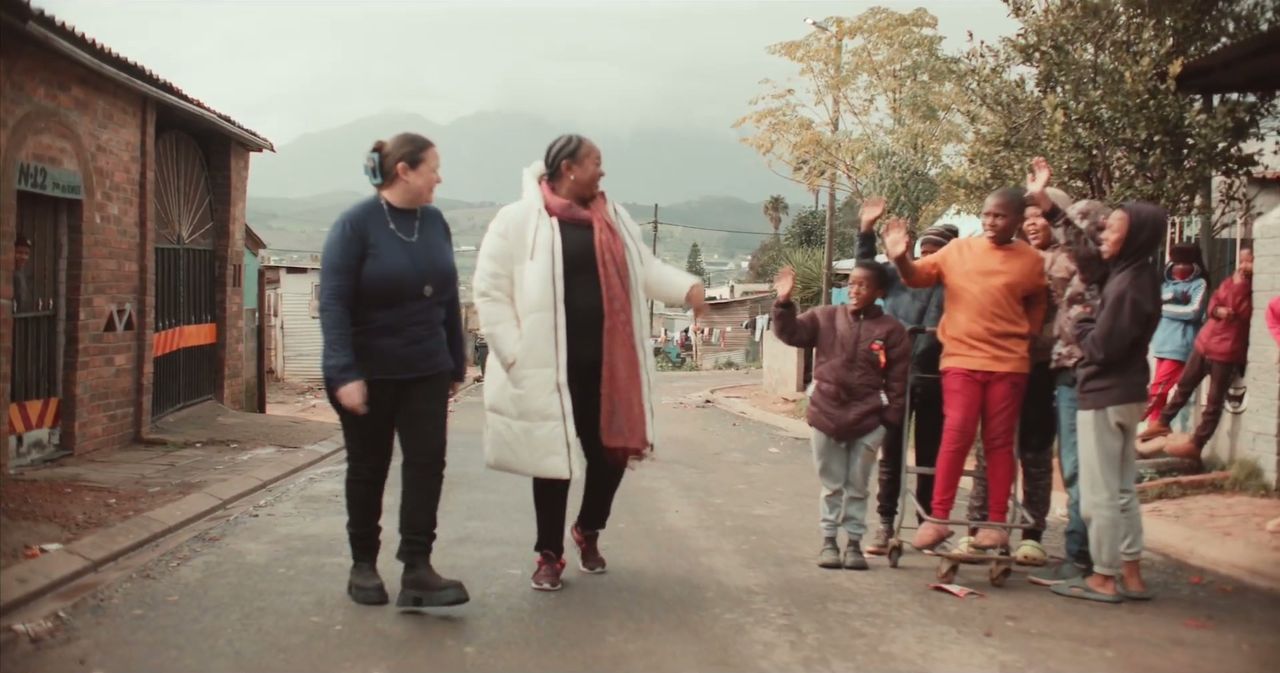
A proposed next step: a local team with its own leader and facilitators, supported by shared quality standards. Not yet tested.
How a node matures


The power of one facilitator
One person. A multiplying legacy.
A facilitator trains and mentors teachers in cohorts of about 35. Each teacher shapes a classroom for years. Choose how many facilitators and over how long. Compare the planning model, where every teacher completes and stays, with a cautious one, where some do not.
- 1facilitator
- 70teachers trained in a year, in two cohorts of 35
- 2 100children in their classrooms in those teachers' first year
- 11 830children those 70 teachers could teach over their careers
The model as a table
| Facilitators | Years | Teachers trained, each counted once | Children they could teach over their careers | Teachers trained, each counted once, cautious | Children they could teach over their careers, cautious |
|---|---|---|---|---|---|
| 1 | 1 | 70 | 11 830 | ≈28 | ≈4 700 |
| 1 | 3 | 210 | 35 490 | ≈120 | ≈20 000 |
| 1 | 5 | 350 | 59 150 | ≈180 | ≈30 000 |
| 1 | 10 | 700 | 118 300 | ≈270 | ≈46 000 |
| 5 | 1 | 350 | 59 150 | ≈140 | ≈24 000 |
| 5 | 3 | 1 050 | 177 450 | ≈580 | ≈98 000 |
| 5 | 5 | 1 750 | 295 750 | ≈900 | ≈150 000 |
| 5 | 10 | 3 500 | 591 500 | ≈1 400 | ≈230 000 |
| 10 | 1 | 700 | 118 300 | ≈280 | ≈47 000 |
| 10 | 3 | 2 100 | 354 900 | ≈1 200 | ≈200 000 |
| 10 | 5 | 3 500 | 591 500 | ≈1 800 | ≈300 000 |
| 10 | 10 | 7 000 | 1 183 000 | ≈2 700 | ≈460 000 |
| 30 | 1 | 2 100 | 354 900 | ≈840 | ≈140 000 |
| 30 | 3 | 6 300 | 1 064 700 | ≈3 500 | ≈590 000 |
| 30 | 5 | 10 500 | 1 774 500 | ≈5 400 | ≈910 000 |
| 30 | 10 | 21 000 | 3 549 000 | ≈8 200 | ≈1 400 000 |
Model, not a result Five facilitators deliver CoRE today, and the 70-a-year ratio has not yet been observed in practice. Career figures count the children each teacher teaches, so a child taught by two teachers counts twice; they are never added to in-year figures.
The record so far
More than 500 women, more than 500 centres.
500+
women early childhood teachers trained so far
As of October 2026
500+
early childhood centres supported so far
As of October 2026
892
centre improvement visits in 2023
As of 2023
85,000
children these teachers will teach over their careers (500 × about 170)
Projected over their careers
AmbitionTeachers and centres: Indaba figures, October 2026. 85,000 is a model (500 teachers × about 170 children each over a career), not a count of children reached. Visits: Indaba programme records for 2023, the last full documented year (Impact Overview 2024).
After graduation
What happens when the training ends.
Mentoring continues
The programme is designed so that visits continue for at least five months, and cohort groups stay open for questions and support.
Graduates can train others
Graduates can enter the facilitator pathway, so that future cohorts are trained by someone from their own community.
Children are assessed
Children's development has been assessed independently once, in June 2026. The plan is to assess cohorts at the start and again later, so that strengths are kept and gaps addressed.
The programme adapts
Where results are weaker, as in motor development in 2026, Indaba treats it as a signal to adapt: more movement, outdoor activity and practical-life work.
Build the system
Help a community keep what it builds.
Fund the people, the mentoring and the evidence that make excellent early learning permanent.