

Our solutions
One prepared adult changes everything around a child.
Community Rooted Education (CoRE) prepares the women who already run early childhood centres. It transforms how they see the child, the rooms they run and the communities they serve.
Our solution
One prepared adult changes everything around a child: the classroom, the centre, the family, the community.
Community Rooted Education (CoRE) is a seven-month, Montessori-rooted programme for the women who already run early childhood centres. Designed by Educateurs sans Frontières, the social-justice arm of the Association Montessori Internationale, and refined in South Africa with the Indaba Institute.

The training
A formation, not a workshop.
Seven modules, one week a month, in her own language and her own community, so she never has to leave her job.
Between modules she practises in her own classroom. She learns to observe before she intervenes, to prepare an environment in which a child can concentrate, and to make beautiful learning materials by hand from what is locally available.
- Rooted in a century of Montessori practice
- Delivered in isiXhosa, Afrikaans and English
- Mentoring visits for at least five months after the last module
Inside CoRE
Seven modules. Seven months. One transformation.
Each month a cohort gathers for a week of training, then returns to its classrooms to practise. Swipe through what a practitioner studies, and what it is for.


Her journey
From practitioner to the woman who trains the next cohort.
Train
Seven modules, one week a month, while she keeps her job.
Practise
Back in her own classroom between modules, mentored by facilitators.
Hold
Mentoring visits for at least five months after the last module; her cohort keeps meeting.
Lead
A defined pathway to Facilitator-in-Training, CoRE Facilitator and EsF CoRE Trainer.
What changes
From one prepared adult to a whole community.
CoRE does not end when the training does. It changes the woman who takes it, the room she runs, the children in her care and the community around them. Over their careers, the 500+ teachers trained so far will each teach about 170 children. That is some 85,000 children who get an exceptional early education, where too many get an unacceptable one.
Women
Confidence, dignity, a profession
She trains without leaving her job, finds her voice, and can grow into a facilitator who trains others.
500+women teachers trained so far
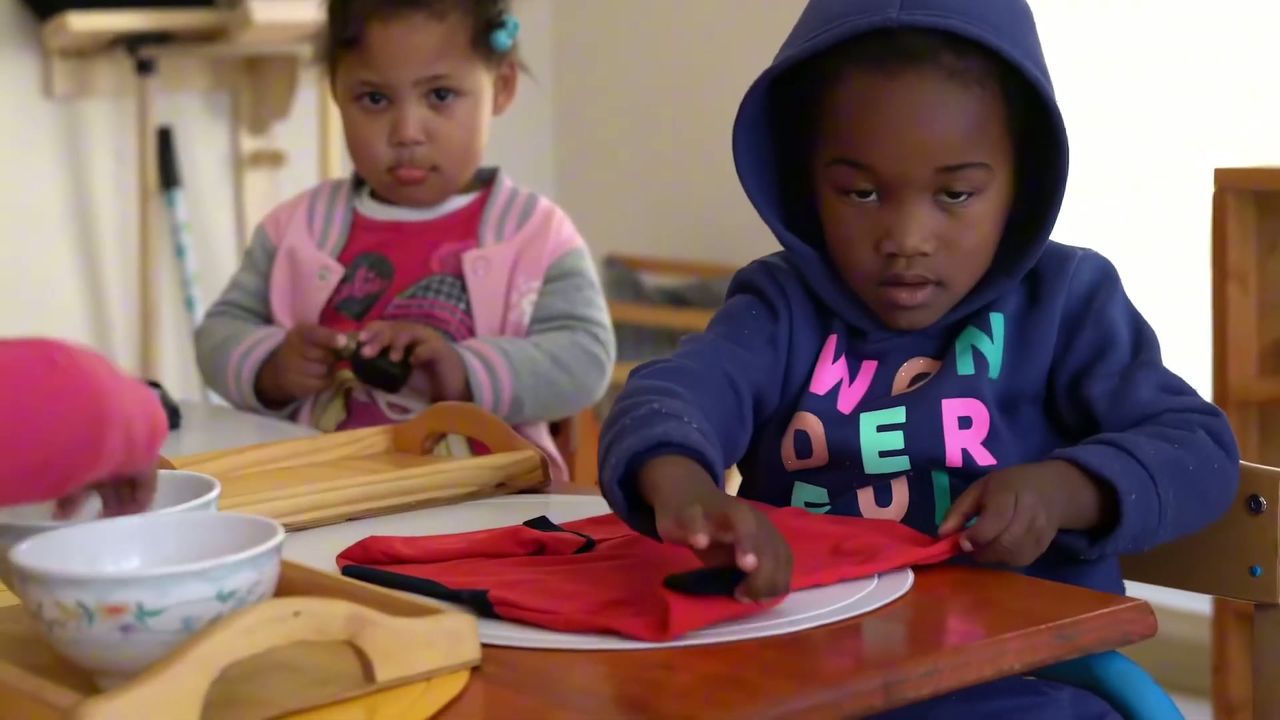
The classroom
A prepared environment
Ordered shelves and materials within reach, many made by hand.
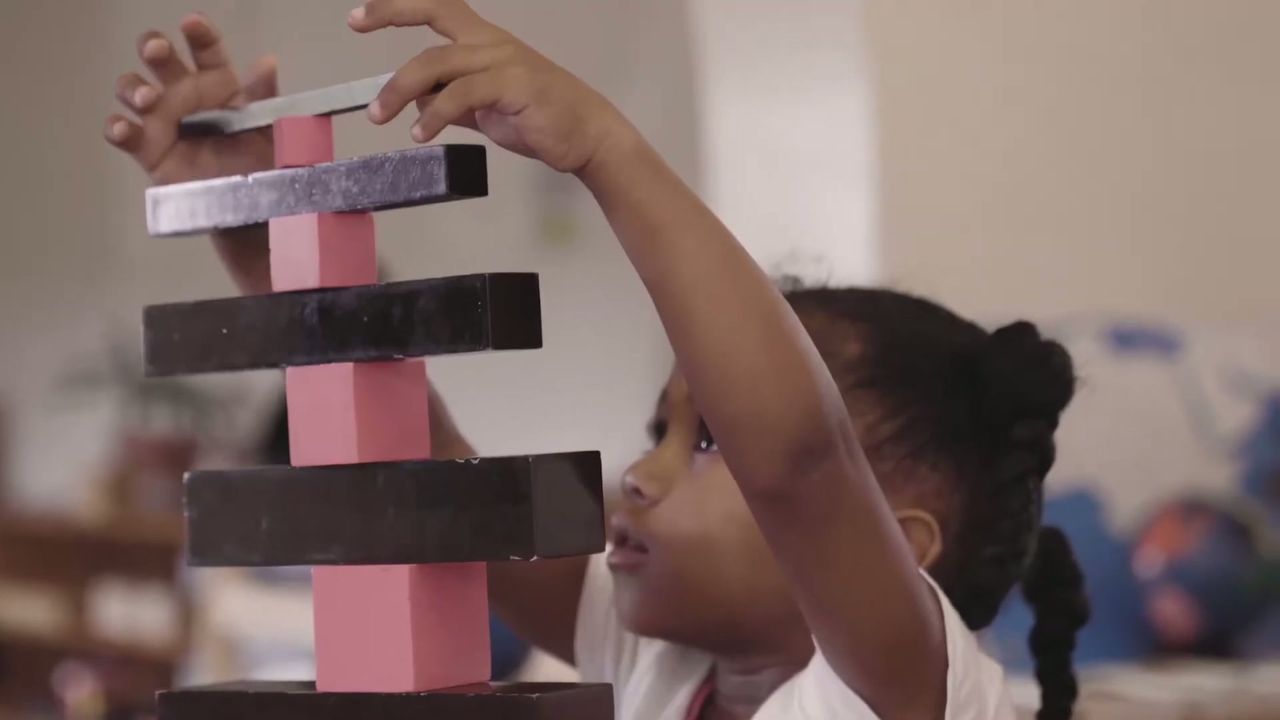
The child
Ready to learn
Concentration, independence and early literacy and numeracy.
2×the national share on track overall (ELOM, 50–59 months)
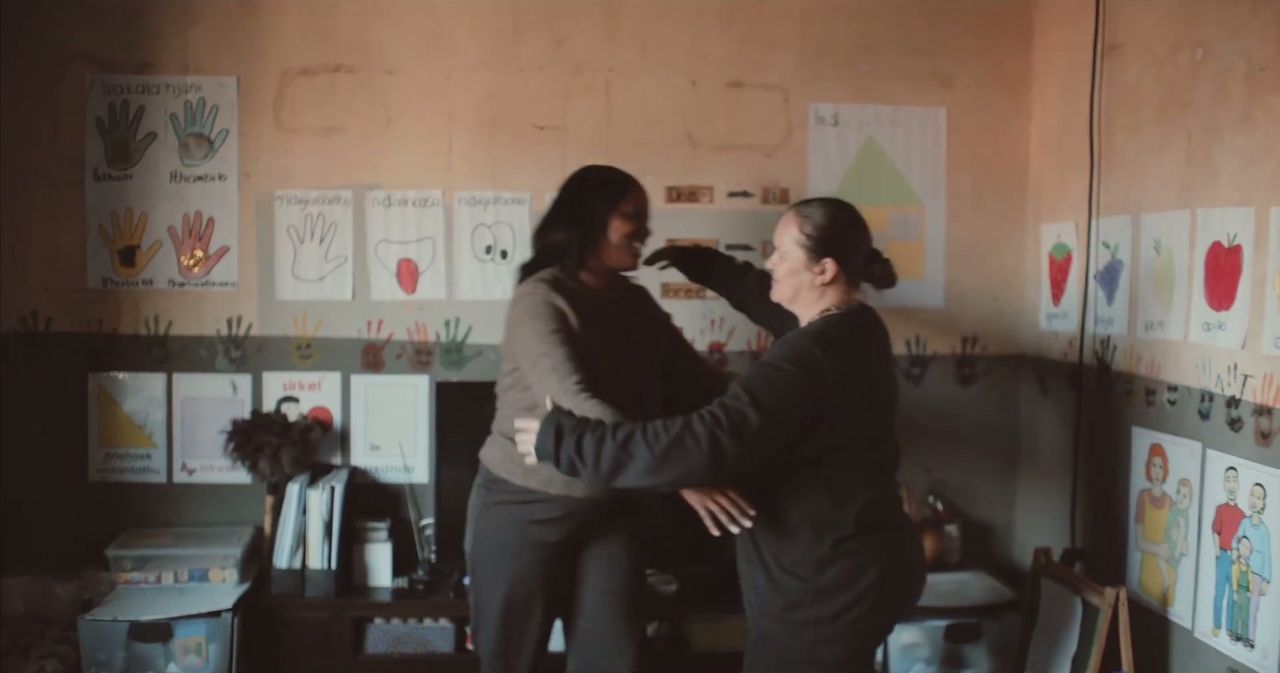
Mentoring
Support until practice holds
The programme is designed so that facilitators visit each centre during training and for at least five months after the last module.
5+months of mentoring after the last module
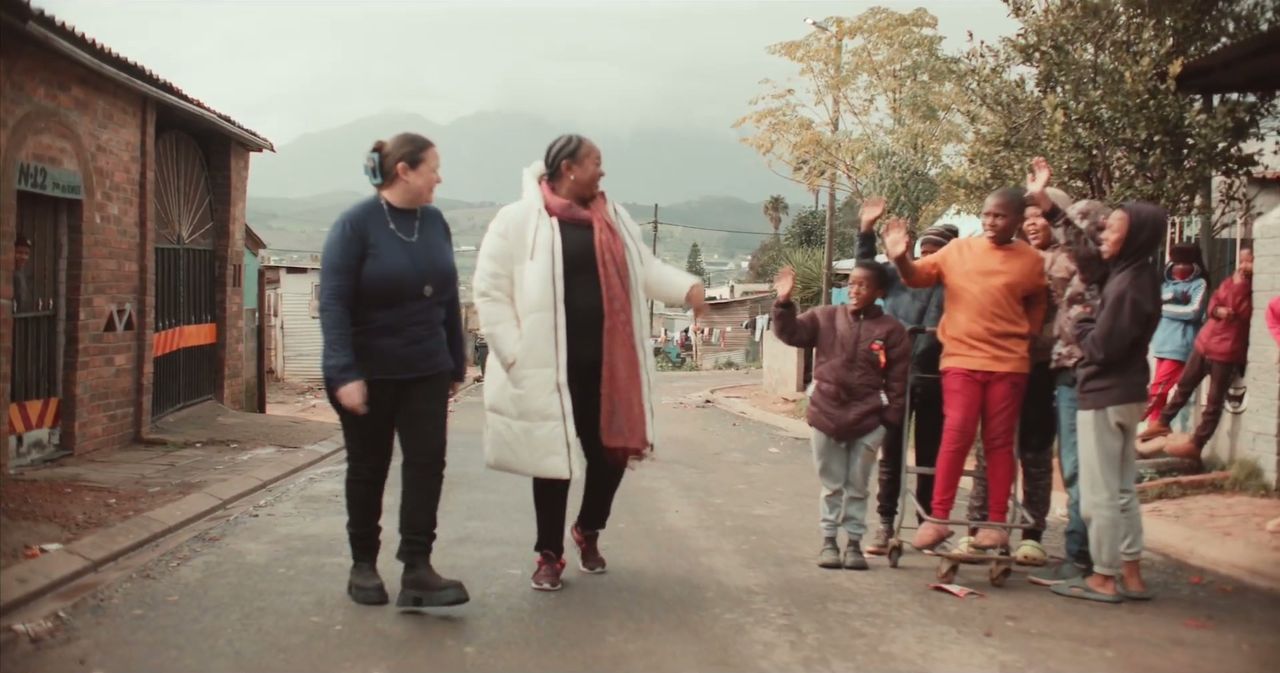
The community
Capability that stays
Graduates can enter a defined pathway to become the facilitators who train the next cohort, in their own language. Centres share a practice; families see what their children can do.
500+early childhood centres supported so far
Evidence
Measured independently
Children assessed independently with the Early Learning Outcomes Measure.
98%on track in literacy and language, against 53% nationally


Teachers and centres: Indaba figures, October 2026. 85,000 is a model (500 teachers × about 170 children each), not a count. ELOM figures: children aged 50–59 months, June 2026, compared with Thrive by Five Index 2024 (see the evidence page).

Women
Dignity, confidence, a profession.
The women who care for young children do one of the most important jobs in any society, too often untrained, underpaid and unseen.
CoRE prepares her academically, pedagogically and personally. It restores confidence, professional identity, dignity and purpose, and opens a career: from practitioner to Facilitator-in-Training, CoRE Facilitator and EsF CoRE Trainer.
- She stays employed throughout her training
- Graduates can train to become the facilitators of the next cohort
- A voice in her centre and her community

The child
Concentration, independence, a love of learning.
CoRE carries authentic Montessori practice into community early childhood centres. Independent studies of Montessori education elsewhere point to what that can mean for a child. These are published findings about Montessori, not CoRE's own results.
Focus and self-control
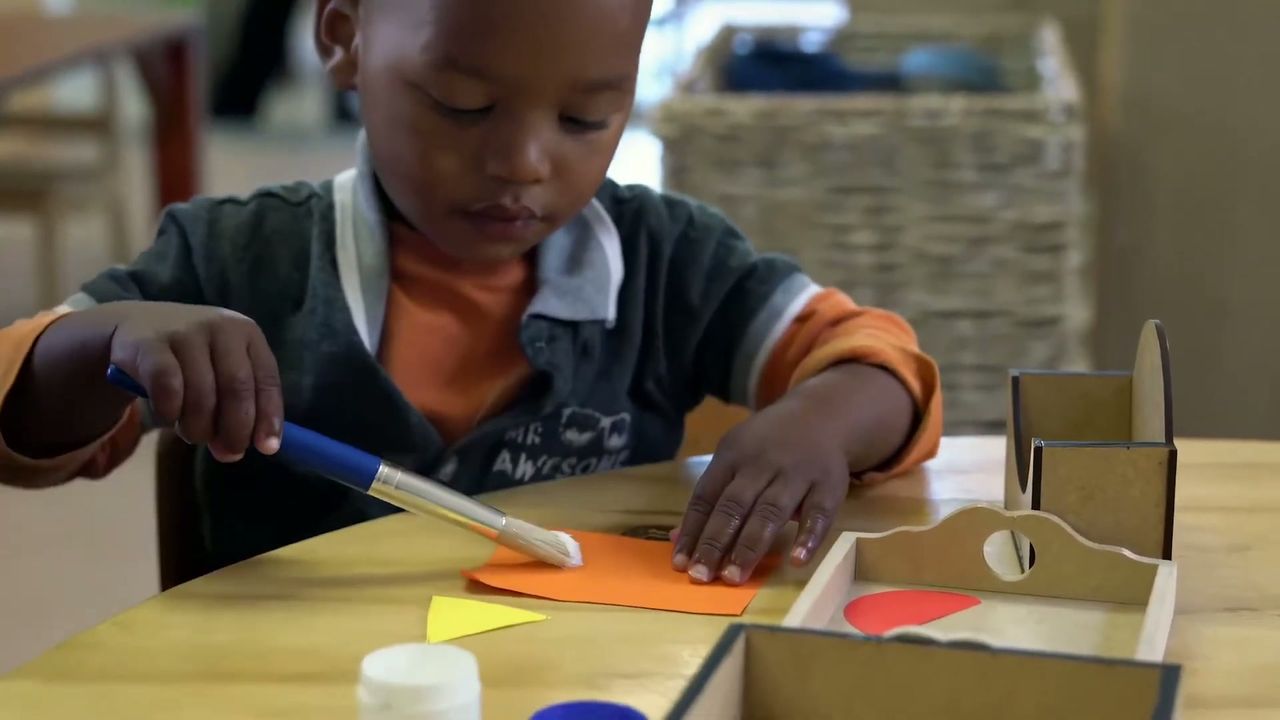
Children choose purposeful work and repeat it until they master it, in a room prepared so that concentration can grow.
Children who won a lottery place at a public Montessori school showed stronger executive function at five than those who did not (Lillard & Else-Quest, Science, 2006).

Early reading and maths
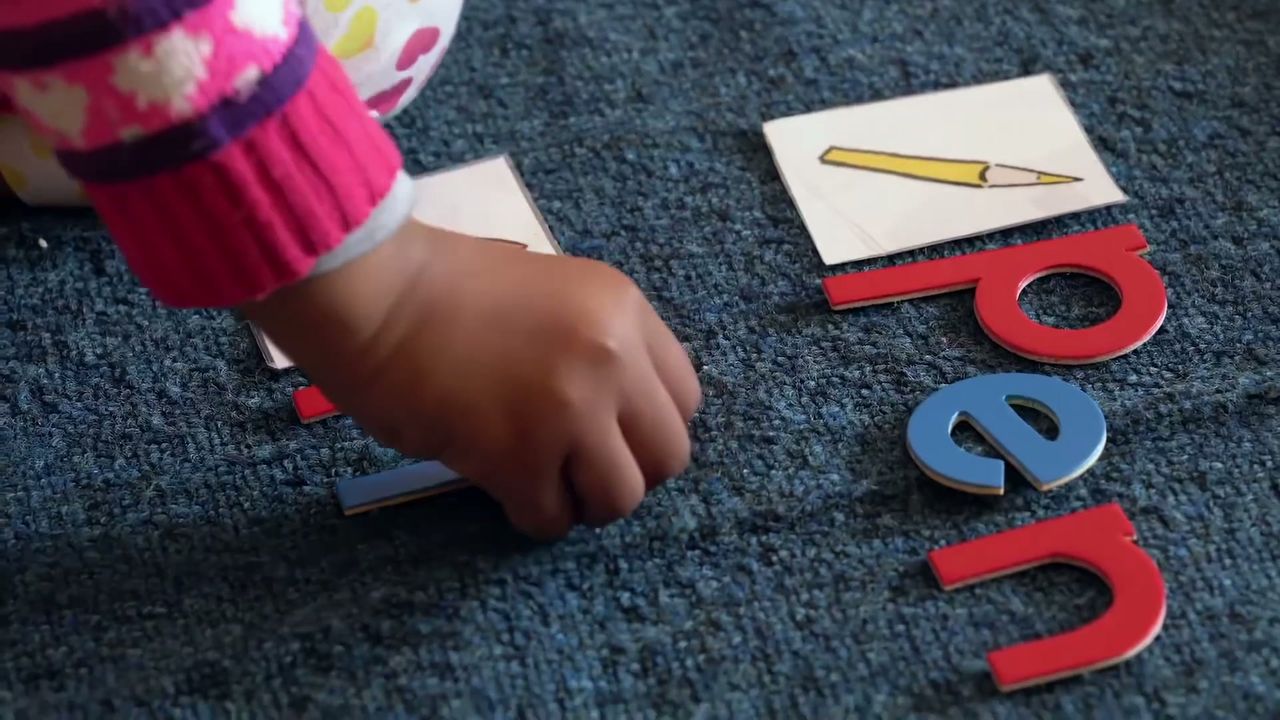
Hands-on materials make sounds, letters and quantities concrete long before they become abstract.
The same study found stronger early reading and maths skills at age five.
Understanding others
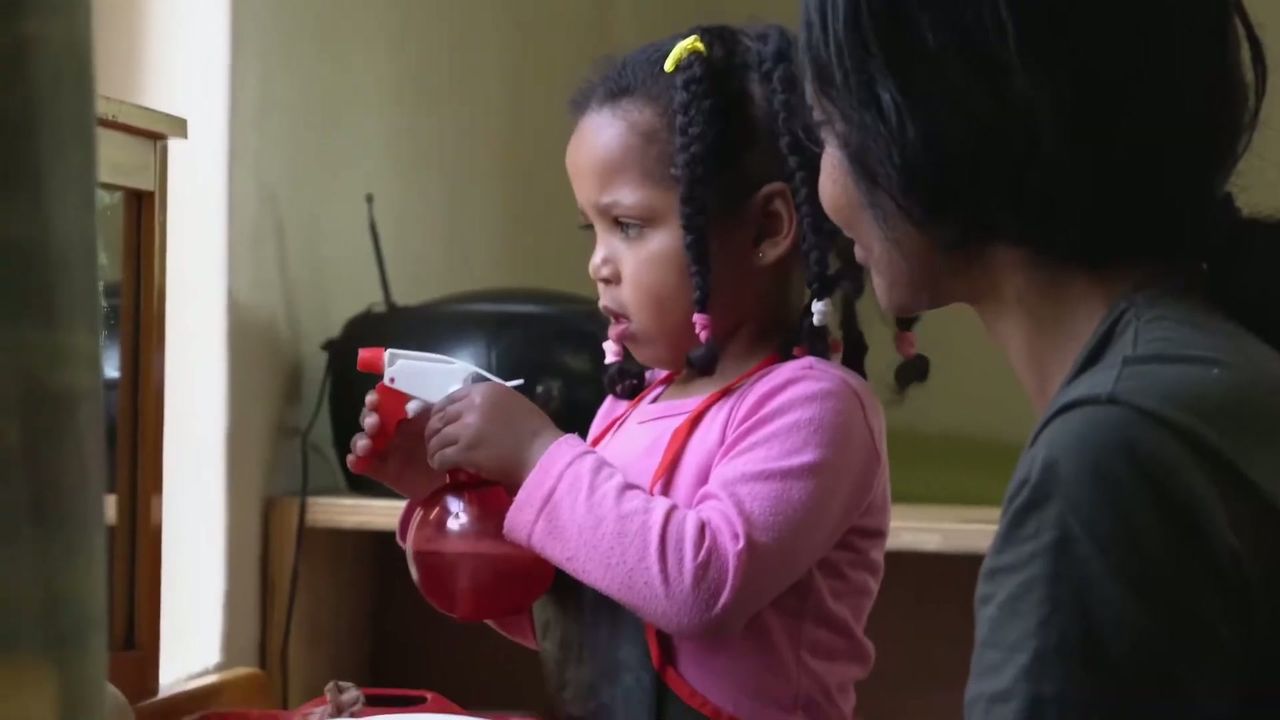
Mixed ages, grace and courtesy, and freedom within limits make the classroom a small community.
Montessori children also showed stronger social understanding and problem-solving (Lillard & Else-Quest, 2006).
A fairer start
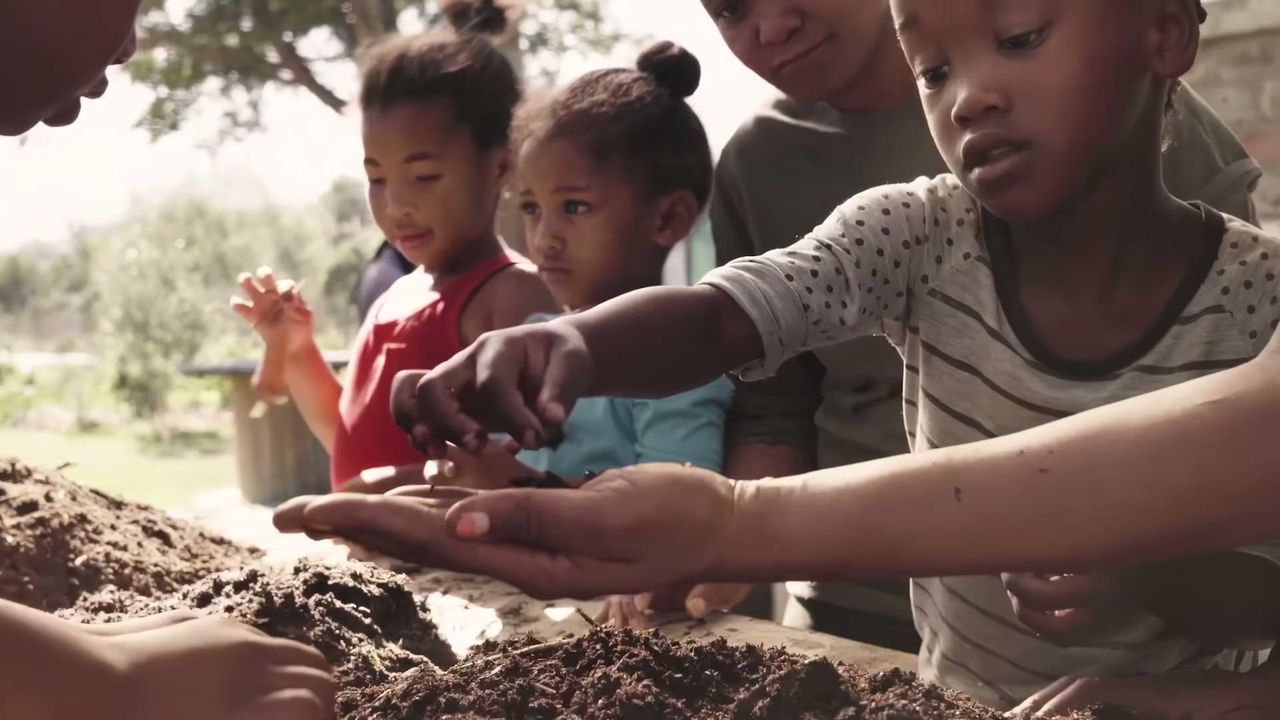
Montessori's benefits matter most where the start is hardest.
A three-year lottery-based study found Montessori preschool raised outcomes and narrowed the achievement gap for children from lower-income families (Lillard et al., Frontiers in Psychology, 2017).
The work
What it looks like when the adult is prepared.


Evidence
We measure, and we say what the measure cannot show.
Children's development is assessed independently with the Early Learning Outcomes Measure, and we publish the results together with their limits.
In June 2026, children aged 50 to 59 months in CoRE-affiliated programmes were twice as likely as children nationally to be on track for their age overall. The next step is studies that follow the same children over time.
