

Ways to build with us · Founding partners
Build what lasts, with us.
Since 2015, Indaba's work in the Cape Winelands has shown that high-quality early childhood practice can take root in communities with limited resources. The next chapter is to make it last and carry it further. We are inviting a small circle of founding partners to build it with us.
The next chapter
The bridge between what Indaba has already demonstrated and what South Africa now has the opportunity to build.
Founding partners protect the knowledge and the experienced team built since 2015, grow the facilitators the work depends on, and strengthen the evidence. Founding gifts are received by the Indaba Foundation and support the CoRE team and facilitators at the Indaba Institute, the Foundation's training partner, together with shared work on partnerships and systems. The detailed budget is shared with partners on request.

What founding partners make possible
Four foundations for growth.
01
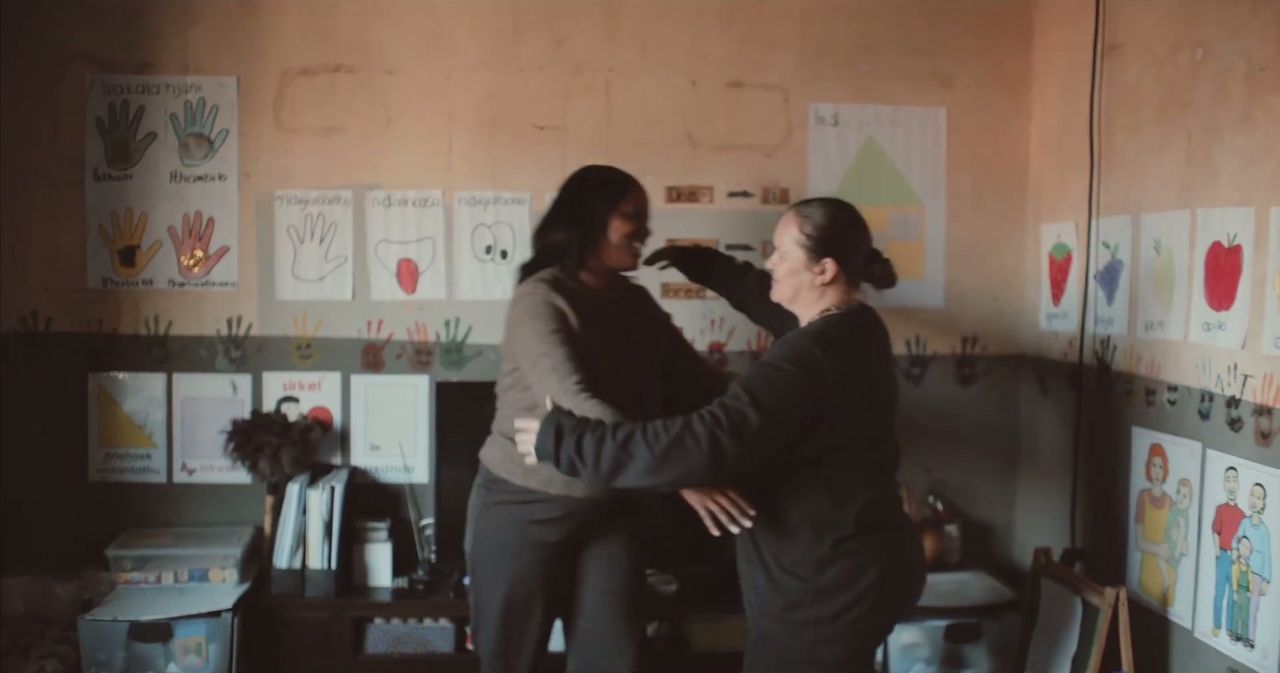
Protect what works
Keep the people, systems and delivery rhythm that run training, practitioner support and certification.
02
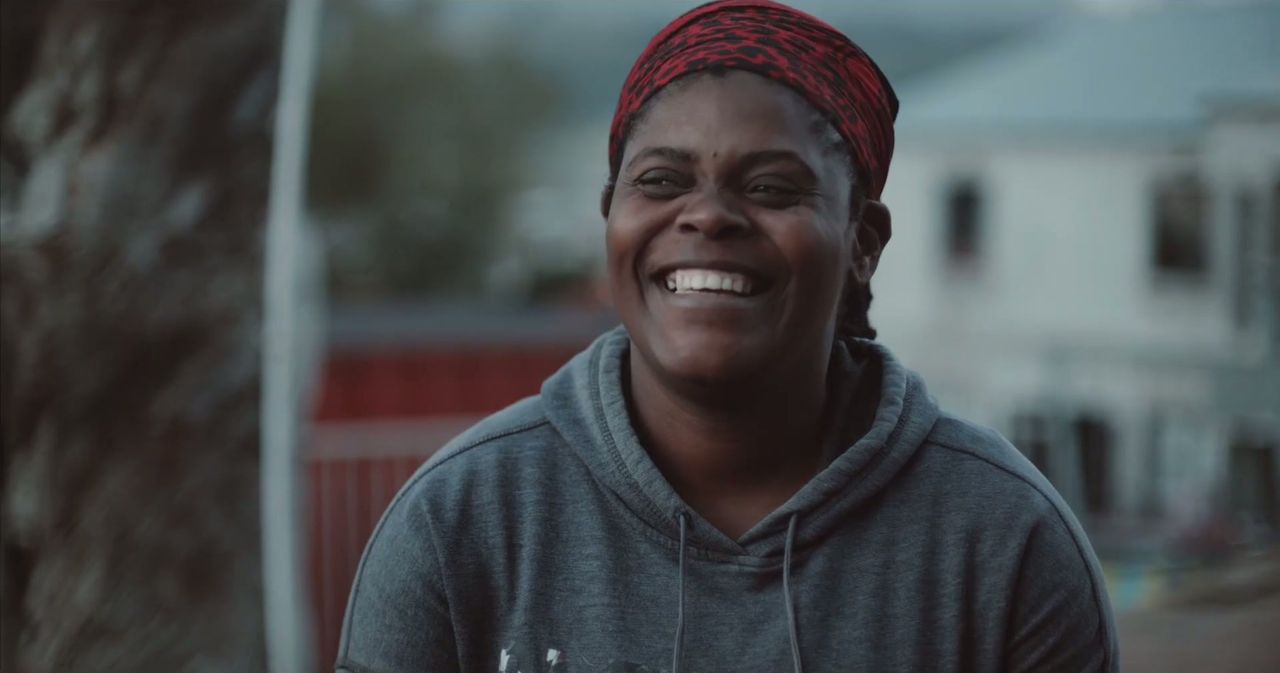
Grow the facilitators
A full CoRE programme drawing facilitator candidates from experienced practitioners and AMI diploma holders.
03
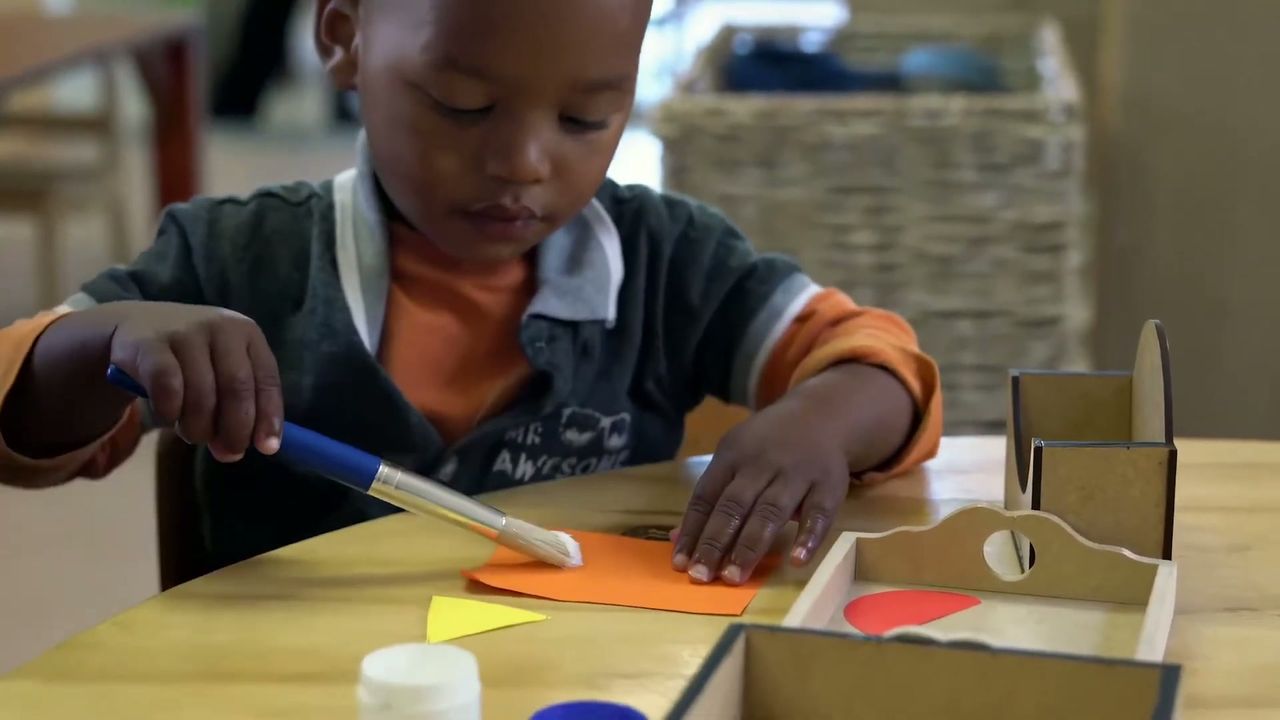
Strengthen the evidence
From a single independent snapshot to studies that follow the same children over time.
04
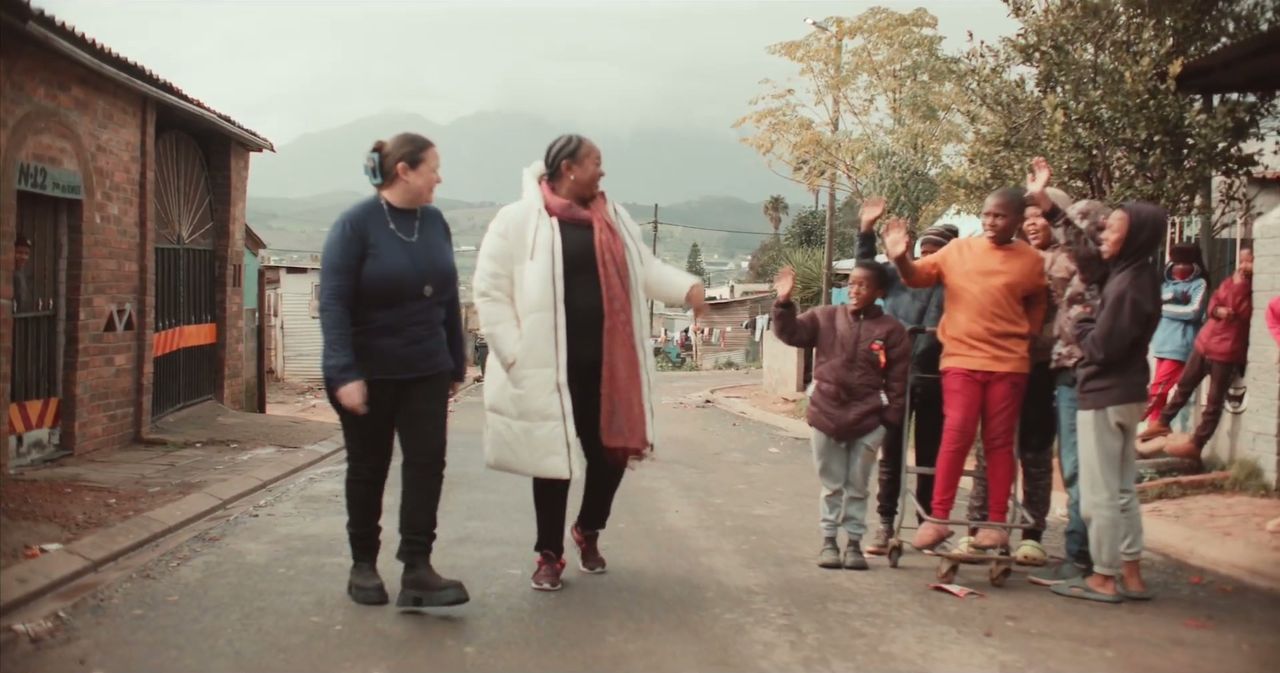
Build the systems for scale
The partnerships, standards and municipal relationships that let CoRE travel without losing its quality.


Ambition · planned work, not results yet

Why now
Strong early signs. Now the work must travel.
The first assessment is encouraging. A capable practitioner influences child after child throughout her working life; stronger practitioners make stronger centres; stronger centres give families confidence and children better foundations.
As that capability spreads through communities, the effect compounds. This is how a programme becomes a pathway for national change: community by community, practitioner by practitioner, child by child.

What changes
From one prepared adult to a whole community.
CoRE does not end when the training does. It changes the woman who takes it, the room she runs, the children in her care and the community around them. Over their careers, the 500+ teachers trained so far will each teach about 170 children. That is some 85,000 children who get an exceptional early education, where too many get an unacceptable one.
Women
Confidence, dignity, a profession
She trains without leaving her job, finds her voice, and can grow into a facilitator who trains others.
500+women teachers trained so far
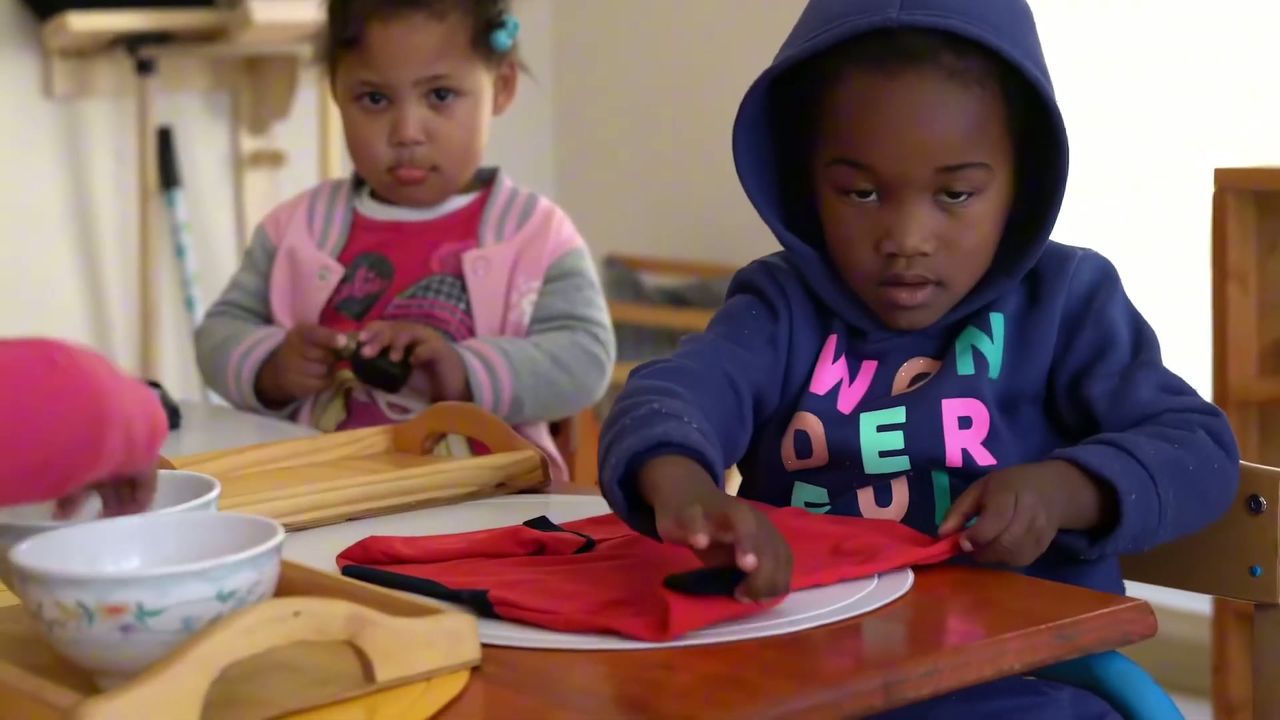
The classroom
A prepared environment
Ordered shelves and materials within reach, many made by hand.
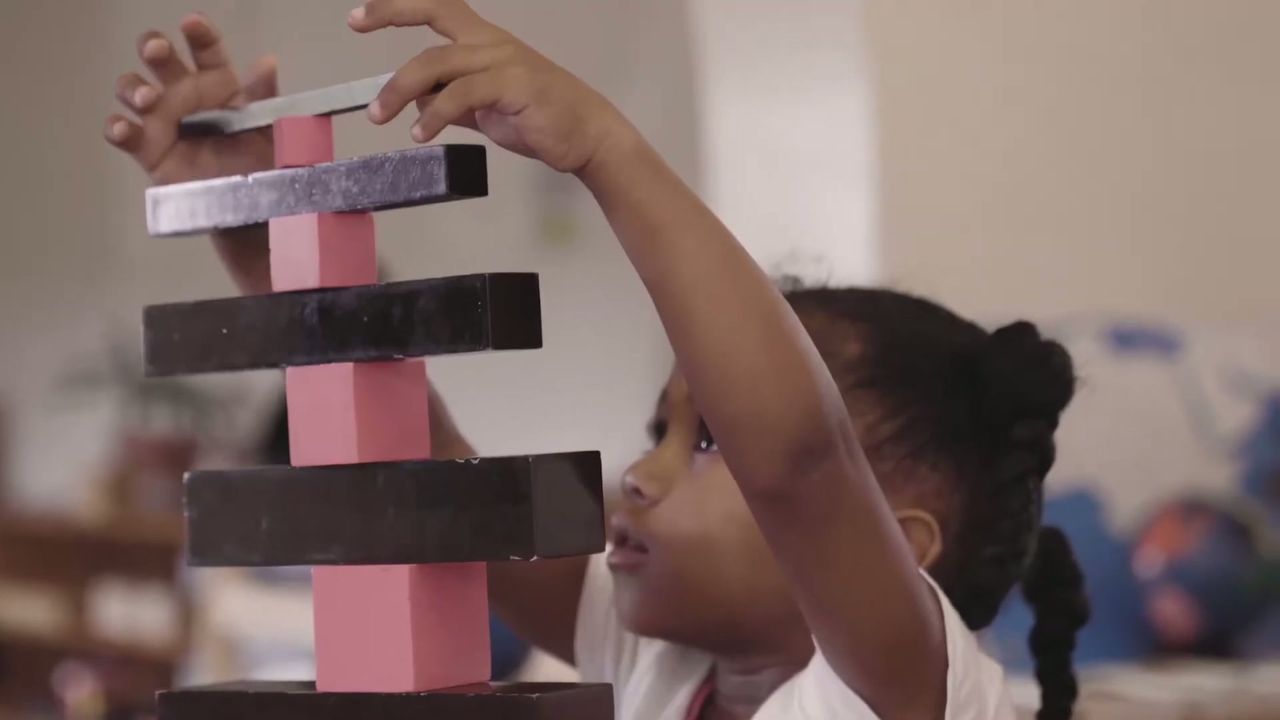
The child
Ready to learn
Concentration, independence and early literacy and numeracy.
2×the national share on track overall (ELOM, 50–59 months)
Mentoring
Support until practice holds
The programme is designed so that facilitators visit each centre during training and for at least five months after the last module.
5+months of mentoring after the last module
The community
Capability that stays
Graduates can enter a defined pathway to become the facilitators who train the next cohort, in their own language. Centres share a practice; families see what their children can do.
500+early childhood centres supported so far
Evidence
Measured independently
Children assessed independently with the Early Learning Outcomes Measure.
98%on track in literacy and language, against 53% nationally

Teachers and centres: Indaba figures, October 2026. 85,000 is a model (500 teachers × about 170 children each), not a count. ELOM figures: children aged 50–59 months, June 2026, compared with Thrive by Five Index 2024 (see the evidence page).
How a founding partnership begins
A conversation, then a shared plan.
Talk
Tell us what you hope to change, and where.
See it
Watch the film, read the evidence, and where possible visit a CoRE-trained classroom.
Shape it
Agree together what your partnership will make possible and how it will be reviewed.
Build
Follow the work as it grows, with honest reporting on what is working and what is not.
For invited partners
The Partnership Hub

Become a founding partner
We invite you to help carry what works further.
Write to the Foundation to begin a founding conversation.