

Ways to build with us · Deploy
Bring CoRE to the children you serve.
CoRE is built to be delivered with local partners: it trains the women already running early childhood centres, in their own community and language, without taking them out of work.
Why deploy CoRE
It works with the people already there: the women running your community's early childhood centres, in their own language, without taking them out of work.
And it leaves capability behind: graduates can follow a defined pathway to become the facilitators who train the next cohort.

What a programme involves
A proven shape, adapted to your community.
Seven months of training
Seven modules, one week a month, with practice in the practitioners' own classrooms in between.
In their language
Training has been delivered in isiXhosa, Afrikaans and English.
Mentoring until it holds
Facilitator visits during the programme and for at least five months after it.
Local facilitators
A defined pathway turns graduates into the facilitators who train the next cohort.
Independent evidence
Child outcomes assessed independently with the Early Learning Outcomes Measure.
Inside CoRE
Seven modules. Seven months. One transformation.
Each month a cohort gathers for a week of training, then returns to its classrooms to practise. Swipe through what a practitioner studies, and what it is for.


Who we deploy with
Different starting points, one ambition.
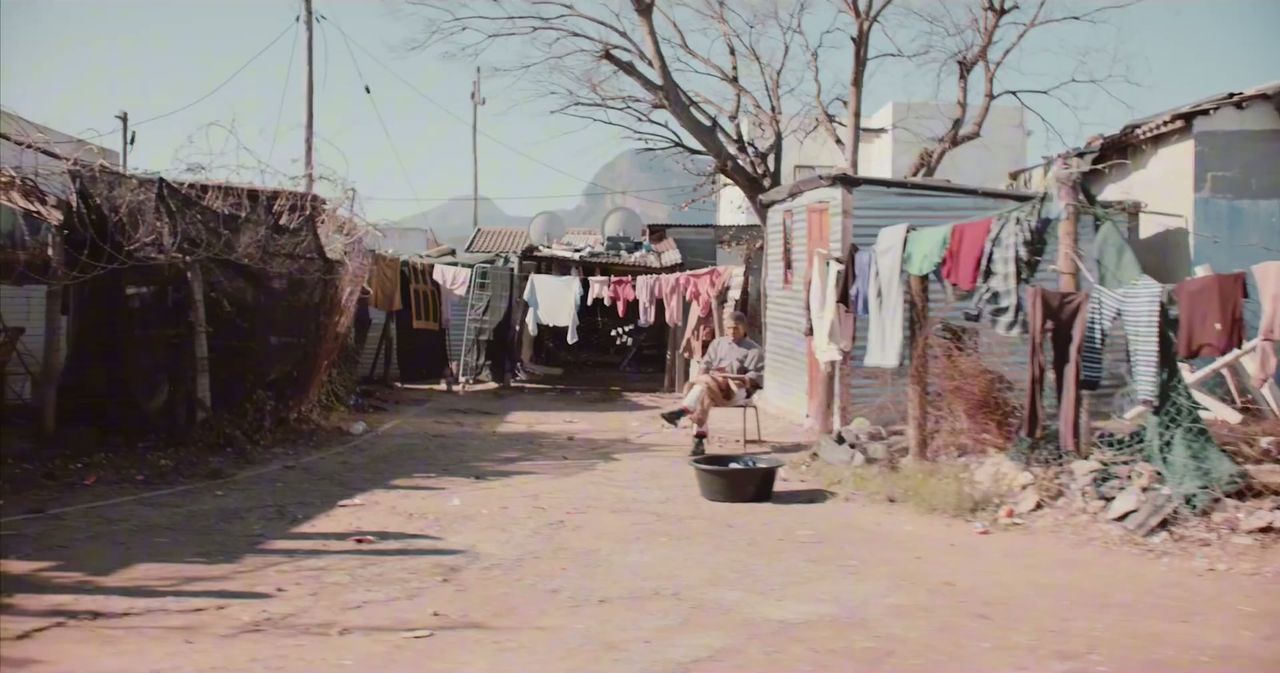
Municipalities
Bring CoRE to the centres in your area, drawing on your existing mandate, venues and people.
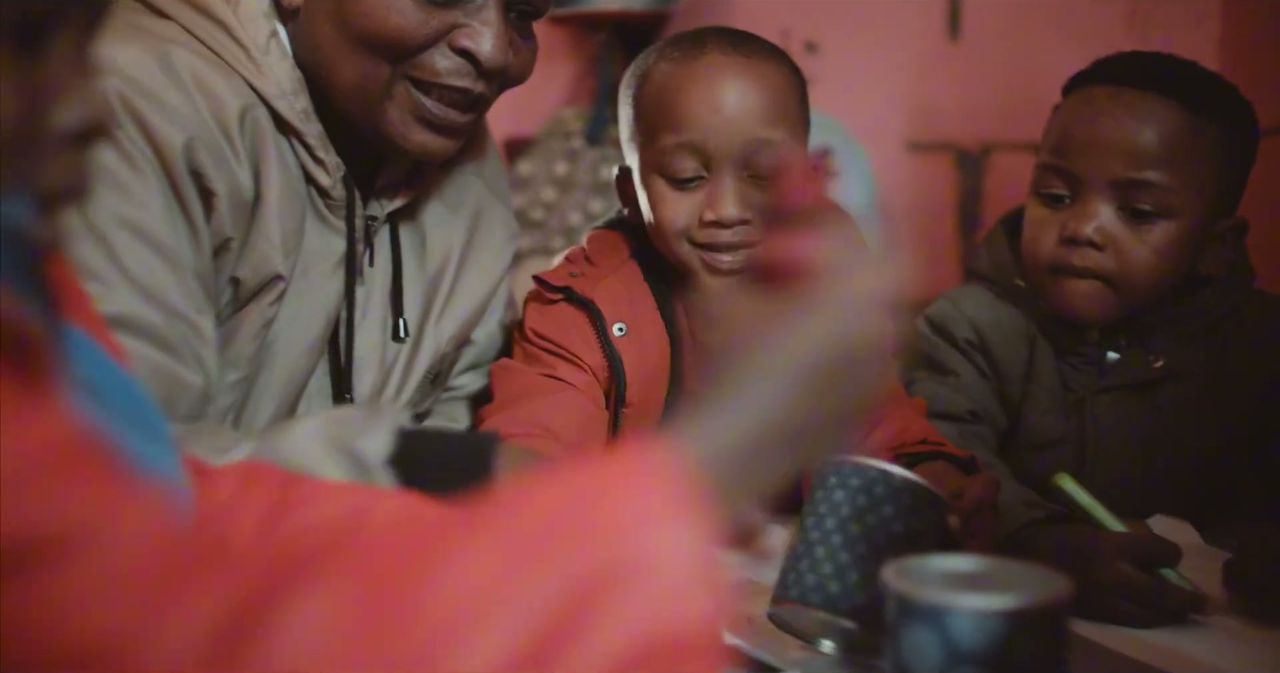
Early childhood networks and schools
Strengthen the adults already working with your children, centre by centre.
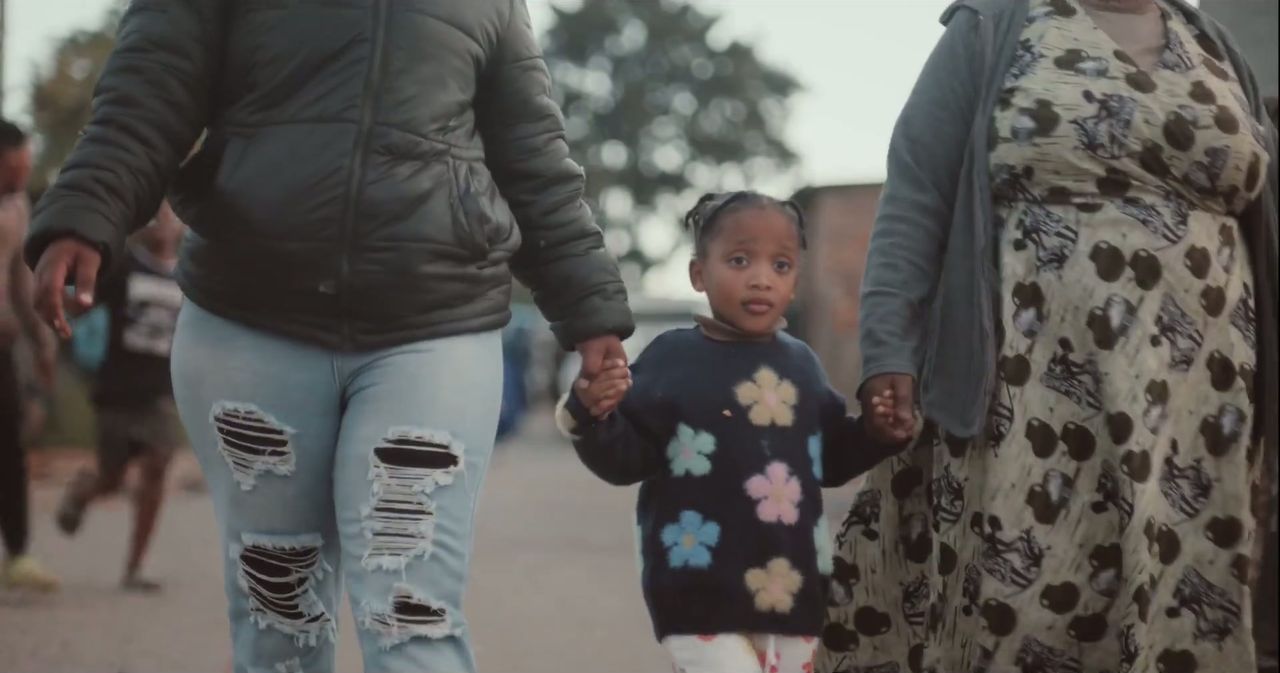
Foundations and companies
Fund a programme in a community you care about, with reporting you can stand behind.
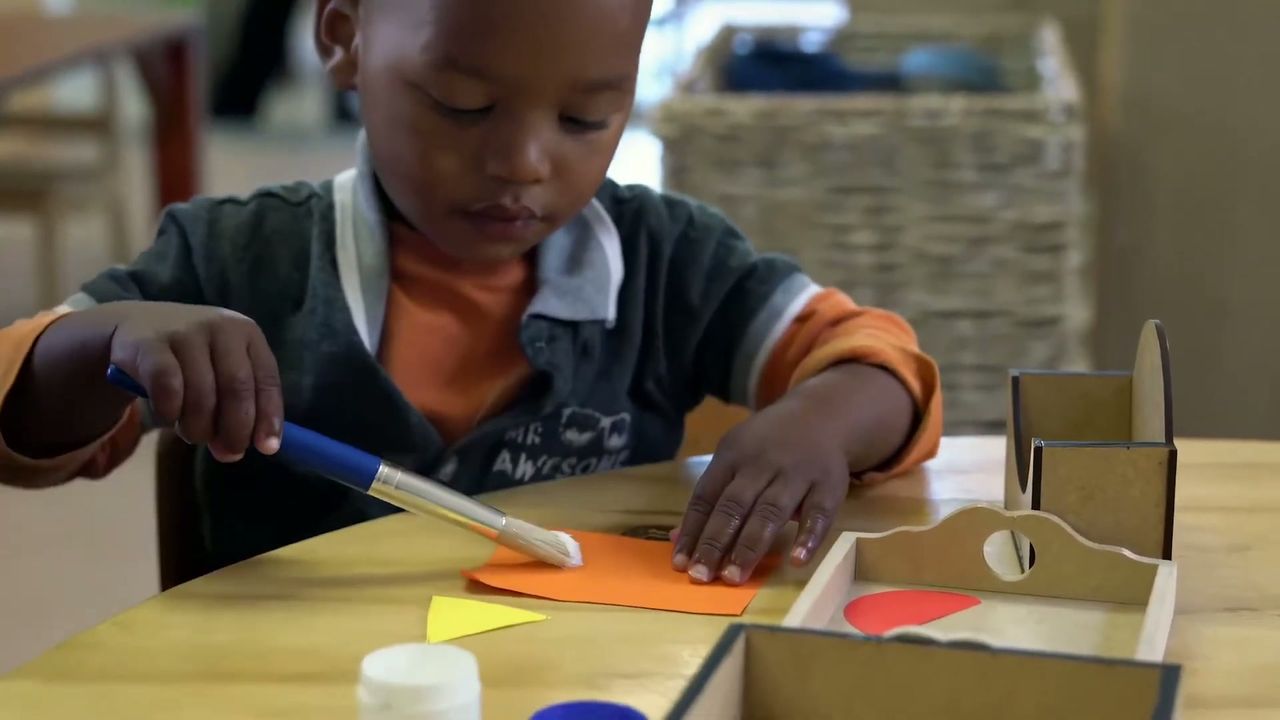
Research partners
Baseline-to-endline studies and practice research, with ethics before measurement.


How partnership works
Listen. Design. Support. Learn.
Listen
To the context, the centres and local leadership.
Design
A shared purpose and a realistic scope.
Support
Plan the support practitioners will need over time.
Learn
Agree how progress is reviewed, and use the evidence to improve.
It has been done
The first South African programmes ran because a municipality provided transport, catering and venues.
In the Cape Winelands, with Stellenbosch Municipality.

Questions
Good to know.
How long does a programme run?
Seven modules, one week a month, followed by mentoring for at least five months after the last module.
Do centres have to change their curriculum?
No. CoRE is not a curriculum. Practitioners keep the programme they use; CoRE changes the relationship between the adult, the child and the room.
How is progress measured?
Facilitators use a checklist for practice at every centre visit, and children's development can be assessed independently with the Early Learning Outcomes Measure.
Discuss a partnership
Tell us about the children you serve.
Municipalities, networks, foundations and companies: write to the Foundation. No exploratory conversation is presented as a partnership until it is one.