

From proof to national capability
From one community to a nation, without losing what works.
In the Cape Winelands, women who run early childhood centres have shown what preparation can change. The next task is harder: make it repeatable, locally led and good enough to trust at national scale. This page sets out how we propose to grow, with a gate at every step.
The premise
Scale is not more of the same programme. It is more communities able to run excellent early learning themselves.
So the unit we grow is not a cohort. It is a regional node: a leader, facilitators from the community, the centres they support, and the quality system that keeps them honest.

Six stages
How regional proof becomes national capability.
The first two stages describe work done in the Cape Winelands since 2021. The third is under way. The last three are a proposal, and each would begin only when the gate before it is met.
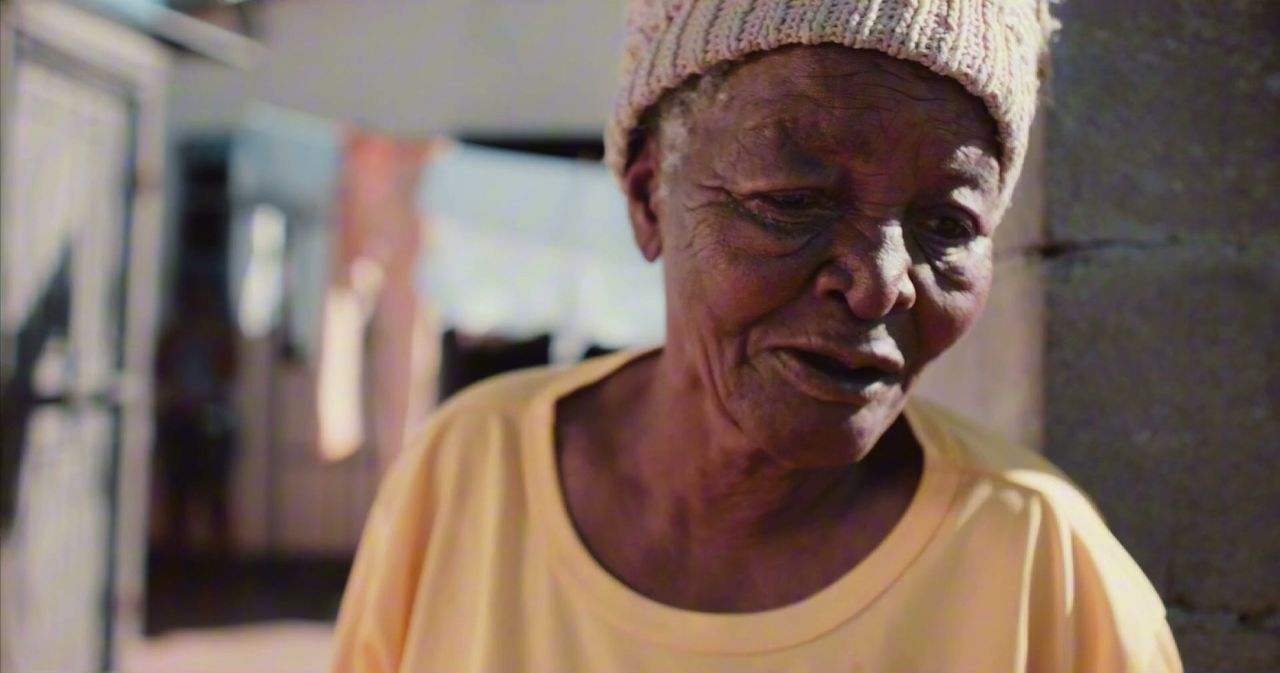
Done Cape Winelands, since 2021
Listen
Every programme begins with the community: who runs the centres, what they need, which languages they teach in.
DocumentedGate to the next stage Local leaders and centres ask for the programme and help shape it.
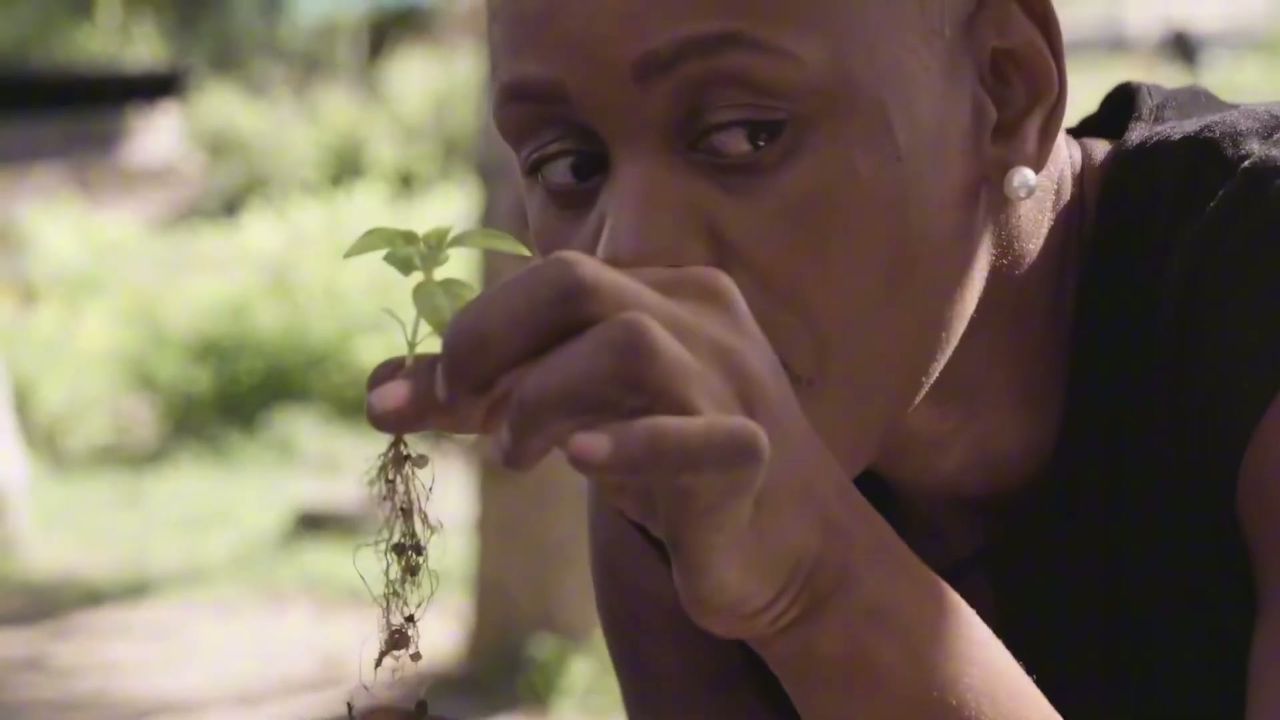
Done Cape Winelands, since 2021
Prepare
Women who run centres complete seven modules over seven months, with mentoring for at least five months after.
DocumentedGate to the next stage A cohort completes, and mentoring visits confirm new practice in the classroom. Still to do: report enrolment and completion side by side for each cohort.
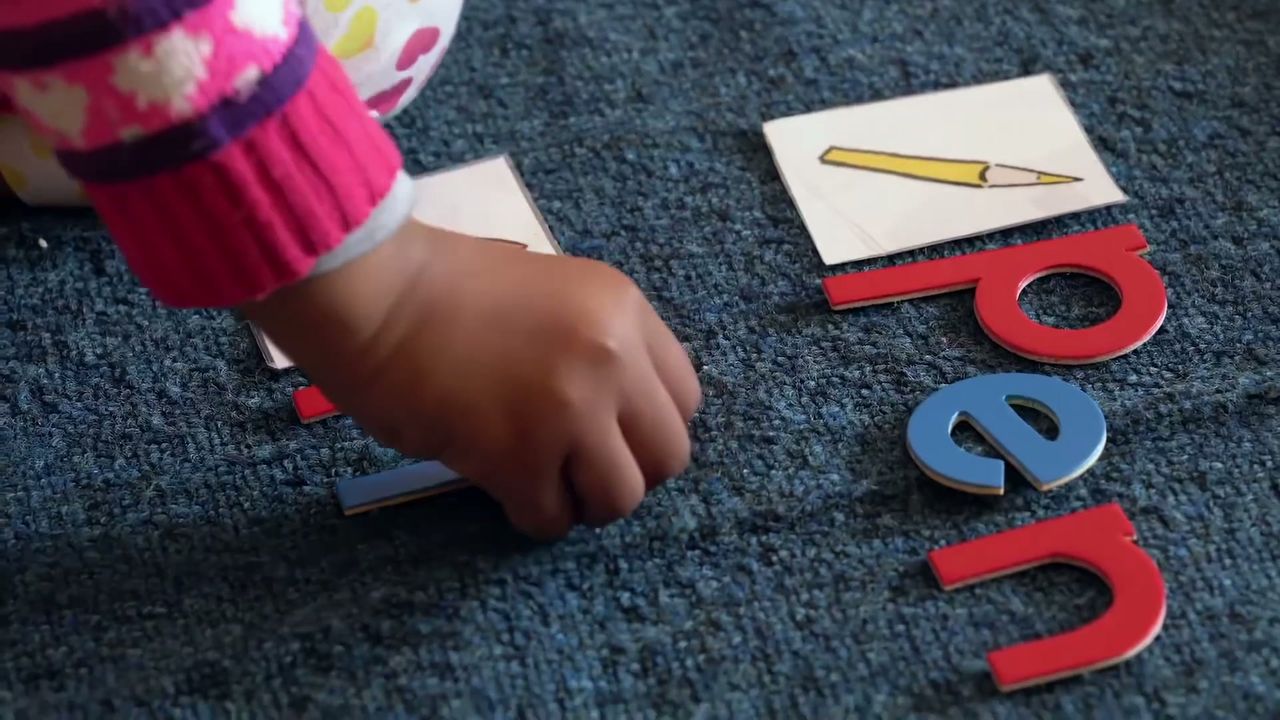
Under way We are here · first independent assessment, June 2026
Prove
Children's development was assessed independently for the first time in June 2026. The snapshot was strong, and showed where to improve.
Independently assessedGate to the next stage Independent results that justify repeating the model, with their limits stated.
Drawing of the proposal, not a photograph Proposed Next, once the gate before it is met
Deepen
One full regional node: its own leader, facilitators trained from the community, a mixed funding base and a measured baseline.
Model, not a resultGate to the next stage A second full cycle delivered by the node with quality verified independently.
Drawing of the proposal, not a photograph Proposed In the plan
Replicate
Several nodes share standards, training of trainers and quality assurance, building towards provincial networks.
Model, not a resultGate to the next stage Quality, completion and retention hold across nodes, and each node's costs are covered for the next cycle.
Drawing of the proposal, not a photograph Proposed Further out
Transfer
Government programmes and national partners adopt the model, and partners abroad lead their own adaptations.
Future opportunityGate to the next stage The method, standards and evidence are documented well enough for others to run them without us.


Stages 4 to 6 are a proposal, not results. They will be revised as evidence comes in.
How a regional node matures
Four stages, from first cohort to replication.
Indaba's next step is the regional node: one place where training, facilitators, local leaders, partners and quality assurance come together, so excellent practice can reach every centre in a region and keep going.
01
Establish
Agree a local leader and host partner, listen to what centres need, and train the first facilitators.
Ready for the next stage when
- A local leader and host partner in place
- Facilitators trained to deliver CoRE
- A baseline of the centres and children to be served
02
Prove
Train cohorts, mentor in classrooms, measure quality and children's development, and learn what delivery really costs.
Ready for the next stage when
- Completion and retention measured for every cohort
- Classroom quality observed at each centre visit
- Child assessment repeated, baseline to endline
- Cost per teacher known from the accounts
03
Sustain
Local leadership runs the node, funding comes from more than one source, and delivery holds without the founding team.
Ready for the next stage when
- Locally led, with succession in place
- More than one funder
- Facilitators trained within the node
- Quality holding two years running
04
Replicate
The node becomes able to help the next one start: hosting visits, mentoring leaders and lending master facilitators.
Ready for the next stage when
- A playbook tested by a second node
- Master facilitators able to support elsewhere
- Agreements and finance ready for a partner region
Model, not a result A draft model for discussion, not an operating structure. Kayamandi has worked through parts of Establish and Prove since 2021; no node has been declared, and the thresholds for each gate are still to be set.
From regional proof to national capability
Not only more teachers. The capability to train them.
The next phase is different in kind. Adding cohorts is not enough: a country needs the infrastructure for excellent training to spread, with quality protected wherever it goes. Choose a function to see where it lives.
Stays central
So quality means the same thing everywhere.
Shared
Set centrally, run locally.
Becomes local
So the work belongs to the region.
Holds the standard
Indaba Institute and national partners
Pedagogy, certification, and the master facilitators who train the trainers.
- Indaba Institute
- Master facilitators
- National partnersproposed
Carries the work
Regional nodes
Each led locally, each with its own facilitators, partners and quality team.
- Cape Winelandsfirst, being proven
- A second regionproposed
- Further regionsfuture
Where children are
Communities
Local facilitators train and mentor educators, who shape the rooms where children spend their days.
- Local facilitators
- ECD educators
- Learning environments
- Children
Model, not a result A proposed architecture. Who employs node leaders, the licence terms for delivery by partners and who owns the standards are not yet agreed.
Who does what
Clear roles across Indaba.
Three organisations, one mission. Roles as documented today, and what is still to be defined.
Proposal under discussion| Role | Indaba Foundation | Indaba Institute | Indaba Ventures | Regional node |
|---|---|---|---|---|
| Funds | Raises and stewards philanthropic gifts and grants | Funded by the Foundation for the training it delivers | Separate: funded by investors, never by gifts | Mixed funding as it matures (proposed) |
| Delivers | Commissions programmes and evaluation | Trains facilitators and delivers CoRE as the Foundation's training partner | Builds tools that can help practice travel | Runs the programme locally (proposed) |
| Quality | Holds partners to agreed gates and reports results | Keeps training quality and standards | Not responsible for programme quality | Meets shared standards (proposed) |
| Still to define | Receiving entity for South African grants | Licence terms with Educateurs sans Frontières for wider delivery | Any service terms with the Foundation | Who employs the node leader |
The CoRE certificate is issued by Educateurs sans Frontières, the social-justice arm of the Association Montessori Internationale, and is distinct from AMI diplomas.
Five years from first funding
A five-year arc, with gates.
A draft plan, not a promise: each year begins only if the previous year's quality and funding gates are met.
- Model, not a result
Prove the anchor node
Deliver the full programme in the anchor area, appoint a node leader, build a trainer roster and set a measured baseline.
- Model, not a result
Repeat, verified
Run a second full cycle with quality checked independently, and grow local co-funding and fundraising skills.
- Model, not a result
Several nodes
Prove the model in more than one node, with shared quality assurance and repeatable training.
- Model, not a result
Provincial and national partners
Operating partnerships with provincial or national programmes, with quality and safeguarding audits.
- Future opportunity
Lasting underwriting
Mature nodes funded by multi-year agreements; new regions entered only after quality and funding gates are met.
Discipline
What we will not do.
We will not grow faster than quality
- No new node before the previous one passes its quality gate
- Expansion pauses if completion or practice falls
- A failed gate means fixing, not scaling
We will not blur the numbers
- Teachers trained is not the same as lasting change; we report both
- Proposals are never presented as agreements
- Every dollar is counted once across Indaba's organisations
Beyond South Africa
Partners abroad should lead their own adaptation. Our part is to make the method, standards and evidence good enough to travel.
International replication is a future opportunity, considered only where a local partner leads and the quality gates are met.

The vision: excellence everywhere
Born in community. Built for the world.
Excellence everywhere is a long ambition, reached one honest step at a time. Solid frames exist today; dashed frames are proposals and futures.
Where CoRE took root, near Stellenbosch. In 2025 a group of 35 teachers and principals from 31 centres began training, and in June 2026 an independent assessment measured children in 15 CoRE-affiliated programmes.
Indaba recordsCoRE has run in the Cape Winelands since 2021. The region around Kayamandi is where the first regional node would be proven: local leaders, facilitators and partners working as one system.
Proposal under discussionA national programme, released year by year against quality gates, building facilitators, standards and nodes across provinces.
Proposal under discussionGovernments and national organisations adopting the model in their own networks, to shared standards.
Future opportunityPartner organisations in other countries adapting CoRE to their own languages and communities.
Future opportunityA shared standard for what every child's beginning deserves, held by many institutions, not one.
Future opportunity
Future opportunity Nothing outside South Africa is operating today.
Build the system
Help build the first national capability for early childhood.
Fund a node, the facilitators who make it local, or the measurement and quality system every hub depends on.